viernes, 17 de octubre de 2014

The best's nobels books


  In the school I was read many more novels that now, because with the University I preferred to read more politics books. I remember four books in specific that marked my life. The first was ''La granja de los animales'' of George Orwell, although the school forced to me for read this I don't regret. This book is short and very entertaining. In a first look somebody may think that is for childrens, but have a deep and strong political message. Other short book that marked me was ''El viejo y el mar'' of Hemingway that I choose for a personal decision. I recommend this because is very emotional and exciting story with the most amazing event in the life of a simple person, but finished without glory, as in the initially.

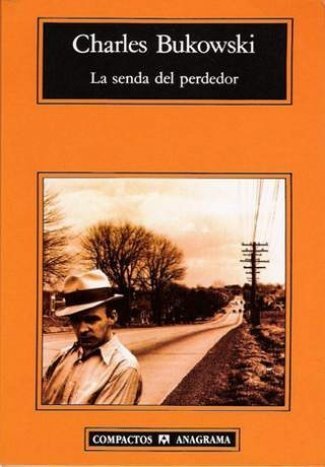
  The second book that I remember was ''Crimen y castigo'' of Dostoyevski. I read this for a suggestion of my brother. I think that the genius of this novel is the ability of insert the reader in the mind of the protagonist. Is a very psychological book to the point of one may sympathize with a murderer. The last novel that I want to reference is ''La senda del perdedor'' of Charles Bukowski that I read also for the suggestion of my brother. The story is autobiographical and is the only book of all that I could not stop to read. This is too much recommended.

viernes, 10 de octubre de 2014

I'm a green citizen?


I think that the people learn about environmentally in many places, for example with family, with friends, in the schools and in public debates about this. Mainly I think are public debates and schools teach, especially when the pollution cause direct danger in the people.Too many people had never recibed education about environment, however with Hidroaysén and the thermoelectrics problems in some cities, the population has responded against this.

For me, the individual habit of recycling is good but not is the answer for this problem. The big problem are the big companies and the industries, because they produce a great part of the pollution and consume, in other great part, the nonrenewable energy. For this reason I think that the habit of recycling is only a complementary factor. In the first place the State should require to reduce the cabron dioxide of the industries. Secondarily this industries must to implement an progressive methods of energy complementary. In a third step, the minings should use water of the sea and not of the rivers, although this is more expensive to extract. In the last place in terms of effectiveness, we should have a environmentally education and change our culture with the environment.

Anyway I use a bike but nor for the pollution, I use this because is funny and I can do exercise with this, but I know that is a good practices for the environment.

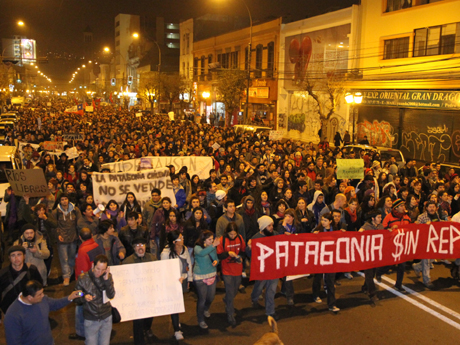
Three years ago I participated in protests again Hidroaysen but this is the only cause that I supported more directly. I consider it very important to have a sustainable development but if it not accompanied with more social justice, I think that is an useless progress. Even though is an cause that I support, it is not my priority today.

viernes, 3 de octubre de 2014

My experience in the field


I was not too much fieldworks like others students of anthropology in others university or including other generations of students in this university. However I was fieldwork in two of the three areas of my career: biology and social anthropology. The fieldwork in biology was the first year with all my classmates in the hill ''La Campana'' where we camped one night and in the day walked seeing the nature. In social anthropology I remember two fieldworks importants for me.One of this was in the rural area and the other was in an andina zone with indigenous of ethnicity ''Atacameña''. In both us slept  in sleeping bag in a community centers, we had to cock us and had problems with the personal hygiene. I think that this aspects were the only problems, although in general I missed my friends and family, especially because inside Calama and Talca we do not had cellular signal. 

I like share time with my classmates and the research that we did. In the rural area, the village of ''Curtiduria'' we worked about the familiar economic strategies and I talked face to face with four women about her everyday  problems and said that the municipality did not know theirs problems. With this I found the importance of the fieldwork and the researchs with interviews. With the Atacameña people we worked about the conflict between their community and the mining companies in relationship with the water of the rivers.

viernes, 26 de septiembre de 2014

My future job


What is an anthropologist job? People asked me this question since I entered this career and my answer never satisfized them. I only know that I would like to work in something that is related with the public area or I would like to conduct classes in some University. I will never have a job in a private institution, because I would like to use my knowledge to help common and needed people. I think that private companies do not necessarily do this.


On the other hand, respect of my dream job I think it would be working from my house hahaha. I heard of one anthropologist that have a job mainly of theoretical research and have a few fieldwork. Anyway what I would like to do work on something related to publics policy, enhance in the progression and integration for some rural or urban areas… in general in local development levels. It is not important if it outdoor or indoor job, or with a fieldwork or not. Finally I would enjoy  to do some classes. The subjects that more important for my project I think that were public policy, rural anthropology, qualitative methodology, culture in Chile and ethnography. 

miércoles, 17 de septiembre de 2014

Cultural Shock


A principle of respect and tolerance is accepting the multiculturalism and the existence of many cultures between diferents humans groups, even inside of same country or the same society. Even in Chile there are many different cultures and not only indigenous people because also are difference between regions, rural or urban areas, high or low social classes, etc. Thus becomes extremely difficult to delineate where end one culture and another begins. I think that in many cases of our occidental world is corresponds talk about a culture with different subcultures.

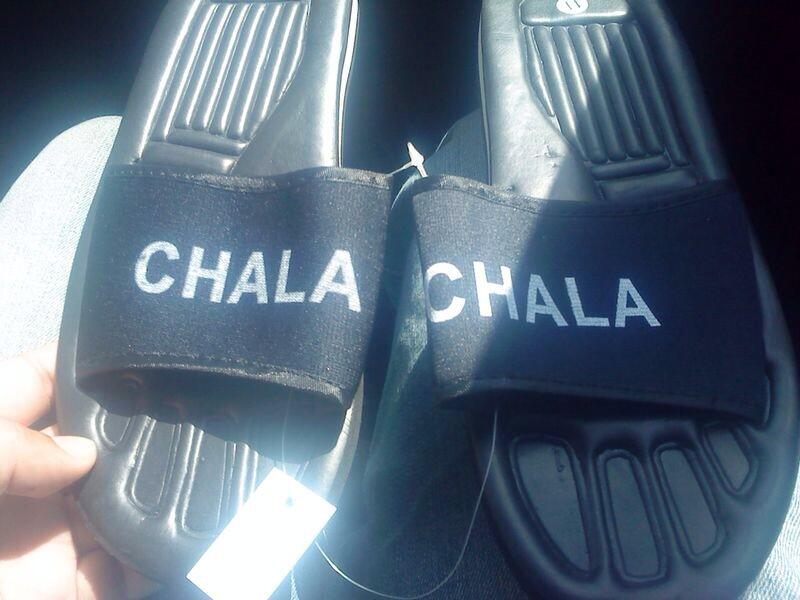
I think that most Chileans; without those who live in extreme areas or have and indigenous cultural descendants, have common cultural elements that we can identify beyond of the various subcultures that are expressed. I don't daring to speak of chilean culture or identy, because is methodologically can't cover, if I think that we have common elements. Just this duality makes them among chileans have a common cultural base, but still  culture shock can result because some cultural views are mutually unintelligible. A simple case of this occurs in the dialects or some words, for example my family is from the South and say ''patinas'' to the ''Hawaianas'' or ''Chalas'' and this term in Santiago nobody understand.

lunes, 8 de septiembre de 2014

Summer 2014 Vacations


Last summer, I traveled to Talcahuano by bus to visit my grandmother and my family. My whole family lived in big Concepcion, even my brothers borned there, but I was bron in Santiago. My parents are divorced and I live with my mom, that is one reason why I have lost contact with my father's family. So when I travel I visit my grandmother and cousins for the part of my mother. I was there for like a week, I stayed five days with my grandmother, one day with a cousin that is also a friend of mine, and the other day I spent it with my uncle. When I was at grandmother we shared together, we walked through the city during the day, and in the nights we saw the news on the TV and play cards. She is very funny and we really get along. The thing that I like the most when I go ther is to visit the port, swinming in the ocean, walk on the beach, but almost all the time it is too cold to swim, because chilean coasts are pretty freezing.

Why anthropology?


Well in the first place I must confess that I choosed study anthropology because my brother everytime told me about this carreer. He studied laws in the University La República and after the bankruptcy of this Universitiy his finished the career in University La Central, but the area and courses of social anthropology were the most intersting according to him. My brother told me about the indian studies and the importance of the multiculturalism, together with the filosofic bases of this discipline.

When I started to find more information about the social anthropology in the school, I compared this option with others careers such as laws or history, but finally I decided for the reason of that I wanted understand the various forms of relationship of the people on different contexts, even in our society, not only in the indigenous society. I think that with this and the understand of why operates the culture could be a factor for progress towards a better society. On the other hand I saw that laws and history have a vision more superficial of the humans proccess and their focus in the description and memorise instead of the understanding.